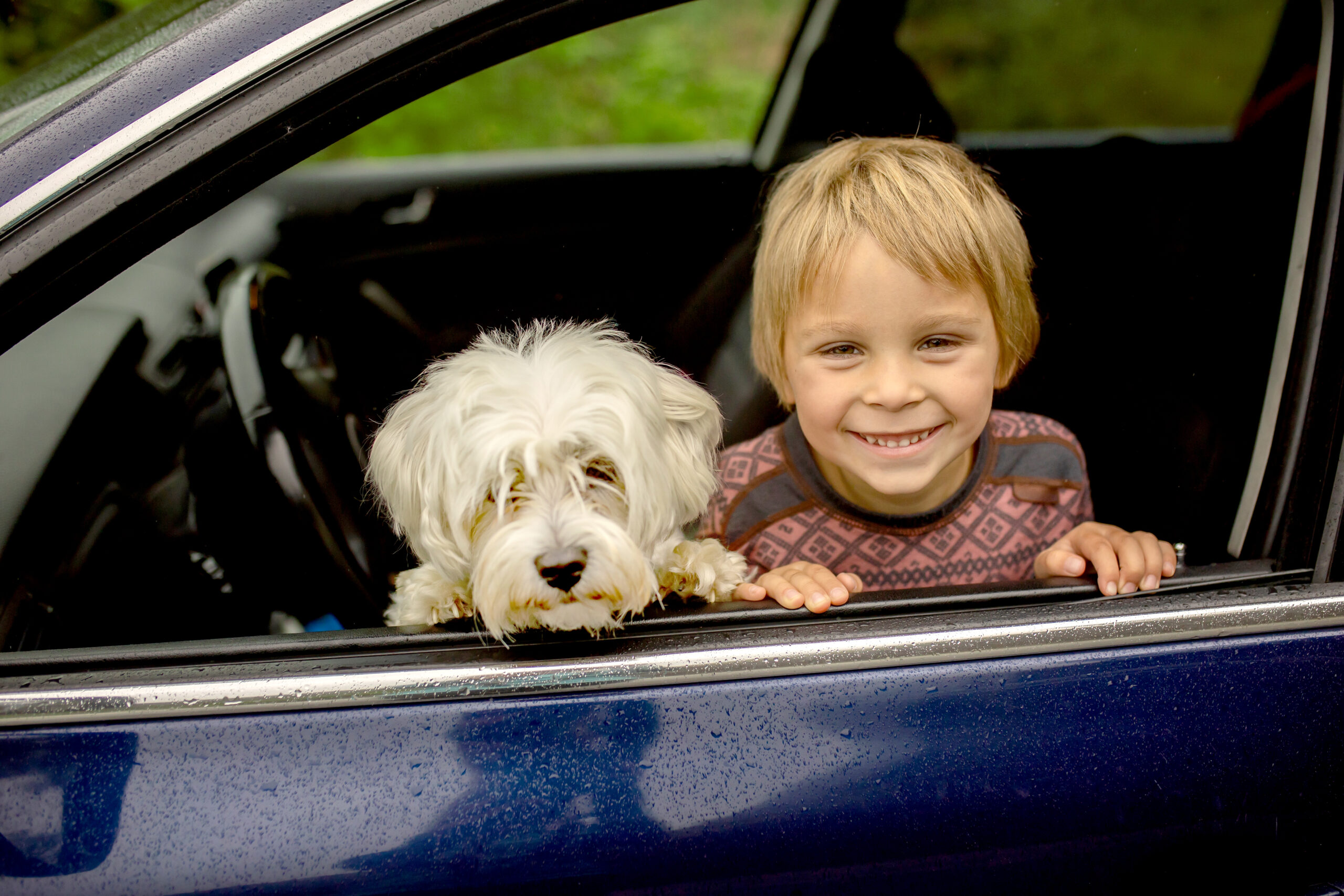
From playful puppies to resting seniors – A dog’s diet should evolve with age and needs
Feeding your dog is about much more than just filling the bowl. Nutrition can affect everything from skin and ears to digestion, joints, energy levels, and your dog’s overall quality of life. Veterinarian Johanna Anturaniemi and pet care expert Susanna Mattila explain how age, activity level, and life stage shape your dog’s dietary needs.
Veterinarian Johanna Anturaniemi, who designs pet nutrition for a living, regularly treats dogs whose symptoms can be directly linked to diet. Many of the issues are everyday concerns, but they can significantly affect wellbeing. Occasional vomiting, gas, diarrhea or acid reflux.
“Sometimes symptoms show up as itchy or flaky skin or recurring ear infections. In many cases, inappropriate food is the underlying cause”, says Anturaniemi.
The wrong kind of food can cause inflammation in the digestive tract or worsen existing conditions. There’s also a lot of individual variation.
“That specific dog might have trouble digesting certain types of food. Sometimes carbohydrates need to be eliminated or fat reduced”, Anturaniemi explains.
It’s not always about illness. Often, the problem is that the dog’s diet doesn’t match its age or activity level, resulting in too much or too little of something important.
Puppies need protein but shouldn’t grow too fast
Growing dogs primarily need energy, but it’s not just about quantity. The quality of that energy matters. The right balance of protein, fat, calcium, and phosphorus is essential. Puppies need up to twice as much energy as adult dogs, but weight gain must still be avoided.
“During the growth stage, dogs require high levels of energy and nutrients because their bones, muscles, nervous system, immune system, and digestion are all developing at once”, says Susanna Mattila, Product data and product coordinator at Prima Pet.
High-quality, easily digestible animal-based protein is key for muscle development. Fat provides the main source of energy, while omega-3 fatty acids (DHA) support brain and vision development.
“Most dogs transition to adult food once they reach their adult weight. Small breeds reach this stage sooner, while large breeds may need to stay on puppy food until they’re 1.5 years old”, Mattila explains.
“A healthy diet isn’t just about age. Dogs of all ages ultimately need the same key things: plenty of animal-based protein, good-quality fat, and a variety of wholesome ingredients”, Anturaniemi summarizes.
The mother’s diet is a puppy’s first nutrition
Puppy nutrition begins before birth. During pregnancy, the mother dog needs more energy and nutrients.
Protein and fat become particularly important, and DHA is already vital at this stage to support fetal nervous system development. It’s best not to make big dietary changes during pregnancy; the mother should already be accustomed to the food she’s given.
“If the dog is eating dry food, switching to puppy food during pregnancy is common to ensure adequate protein and fat. These are the most important nutrients for a pregnant dog. Food quantity should be gradually increased in the last third of the pregnancy”, says Anturaniemi.
After giving birth, milk production puts great demand on the mother’s body. Hydration becomes essential.
“Puppy food is a good choice during nursing as well, since it meets the mother’s increased energy needs. Combining wet food with plenty of water helps ensure proper fluid intake”, Mattila adds.
Working and hunting dogs require extra energy
Anturaniemi sees firsthand the strong bond between humans and their dogs. And often, dogs mirror their owners’ habits, for better or worse.
“Overfeeding is common, and obesity is a major issue”, Anturaniemi says.
Extra weight increases the risk of joint problems, urinary issues, and organ diseases.
“Weight management can ease symptoms of illness, like joint pain or fatigue in dogs with heart conditions”, she notes.
For active working or sporting dogs, however, the story is different. Physically active dogs need more energy than companion dogs, and their diets should reflect that with fatty meats and high levels of animal protein.
“During hunting season, energy-dense food helps match the workload. Long days in the field often require feeding small amounts every 4–5 hours instead of big meals. This keeps the dog going and aids recovery”, Anturaniemi explains.
Senior dogs need protein-rich, easily digestible food
Whether a companion or working dog, big or small, aging slows down a dog’s metabolism, reduces activity, and makes the body more sensitive. Senior dogs naturally begin to lose muscle mass.
“Older dogs actually need more protein. Up to 50% more than younger adults. The easiest way to ensure this is to minimize unnecessary carbohydrates and keep fat levels moderate”, says Anturaniemi.
As dogs age, their digestion can also become more sensitive. Easily digestible food with the right balance of fiber helps nutrient absorption and supports gut health.
“Fiber can also help prevent constipation, which is more common in older dogs”, Mattila adds.
Joint health becomes increasingly important in later years.
“Excess weight is the worst enemy of aging joints. You want to feed just enough to avoid weight gain in older dogs. Adding fish or algae-based oils can also support joint health”, says Anturaniemi.