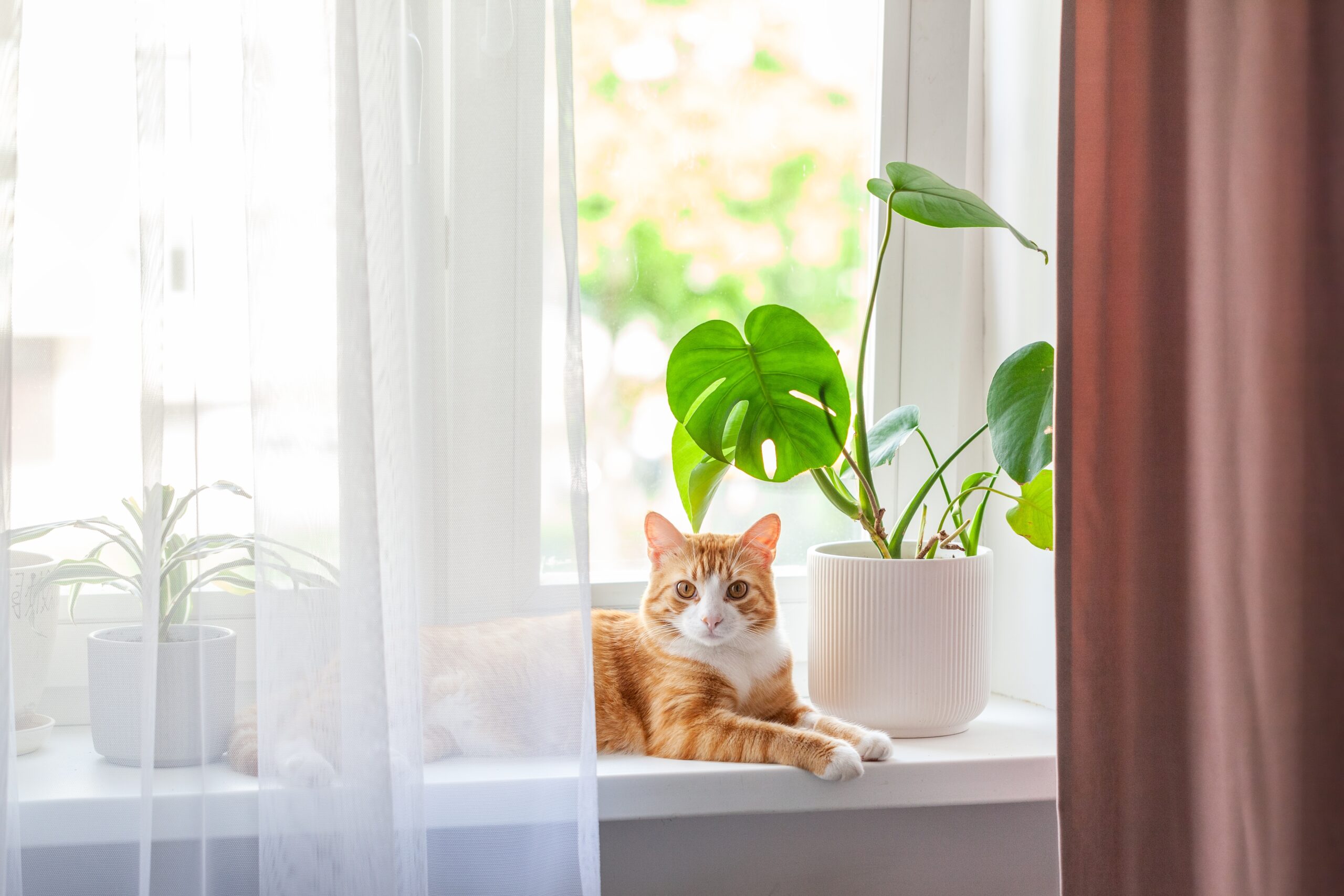
Your couch cat still needs a hunter’s diet
Even if your cat purrs peacefully on the sofa and watches city life from the windowsill, at heart it’s still a wild predator. Its body thrives on a meat-rich diet and moisture from prey. As obesity and digestive issues become more common, grains and sugars are giving way to nutrient-dense, moisture-rich wet foods.
The modern housecat may have traded the forest for an apartment, but its body hasn’t kept up with the change. It still creates glucose from protein, needs meat to stay healthy and isn’t built to drink water in large amounts.
“Cats were domesticated relatively recently. Their digestive system still works much like it always has. Meat is still the most important part of a cat’s diet”, says Laura Honko, Partner marketing specialist at Prima Pet.
Meat still provides the essential nutrients cats need
A cat’s nutritional needs are still closely tied to its carnivorous roots. Even though the environment has changed, the body’s needs have not.
Digestive issues are fairly common in cats. Veterinarian Johanna Anturaniemi, who specializes in pet nutrition, often treats problems related to the gastrointestinal system. Loose stools or vomiting may signal that the current diet isn’t a good fit, especially if other health causes have been ruled out.
“Cats can also suffer from food allergies, which may cause digestive and skin symptoms. Many cats are overweight, often due to overfeeding. Urinary tract issues are also sometimes linked to diet”, Anturaniemi explains.
Protein and fat are key nutrients for cats
In the wild, cats hunt for fish, rodents, and birds. Making animal-based protein the best source for those eating commercial pet food.
“Meat provides amino acids and fatty acids essential for feline health”, Anturaniemi says.
One such amino acid is taurine, which cats can’t produce on their own. Animal-based protein is also more digestible than plant-based alternatives, making it easier on a cat’s stomach. Fat from animal sources is the main energy source and helps absorb fat-soluble vitamins.
Cats benefit from variety, as long as protein sources remain animal-based.
“Many cats are picky eaters, but rotating protein types can make meals more interesting. That said, owners should know that cats are prone to fasting and may skip meals if they don’t like the food”, Honko adds.
Lazy drinkers benefit from wet food
Wet food is a smart choice for cats, especially when it comes to hydration. Since cats naturally drink very little, they rely on food for a significant portion of their fluid intake.
“In the wild, a cat’s prey contains over 70% moisture, while dry food contains less than 10%”, Anturaniemi notes.
Wet foods that contain all essential nutrients are ideal. Options like pâtés, gravies, and jelly-based recipes are widely available, and more products are now made entirely from meat and organ meats.
“Palatability is crucial, cats won’t eat just anything. What matters most is that your cat actually eats the food. Finding the right flavor can take time and patience”, says Honko.
A bad experience with one food can cause lasting aversion. So, new foods should be introduced slowly and your cat’s reactions should be observed carefully.
To encourage drinking, water can be offered in different ways. Many cats prefer running water, such as from a tap or a pet fountain.
“Some cats don’t like their whiskers touching the bowl. Choosing the right water bowl can actually increase water intake”, Honko advises.
Sugar and grains don’t belong in a cat’s bowl
Sugar and grains are unnecessary – and potentially harmful – additions to a cat’s diet. They’re designed for humans, not felines.
“Added sugar is completely useless for cats. They produce glucose from protein. Sugar can cause blood sugar spikes, increase obesity risk and contribute to digestive issues”, says Anturaniemi.
Some manufacturers add sugar to enhance the taste or appearance of wet food, but cats don’t benefit from it.
“Cats don’t need grains or other carbohydrates. Especially for indoor cats, excess energy isn’t burned off, so grains offer no real benefit”, Honko adds.
“When choosing cat food, opt for moisture-rich products made only with animal-based ingredients. The ingredient list shouldn’t include added sugar. It’s also worth choosing locally made foods. Finland already produces a wide range of pet foods using local ingredients”, says Anturaniemi.
Indoor cats require careful dietary management
Indoor cats are naturally less active and may lack stimulation. Even with climbing trees and toys, their activity level is low compared to outdoor cats.
“That’s why preventing weight gain is especially important. Feeding time can also be made more active, and chewable foods can help. Outdoor cats get stimulation from hunting and also use their teeth when chewing prey”, Anturaniemi notes.
Cats can be sensitive to the quality of their food. It’s the owner’s responsibility to observe and test what works best for their pet. Anturaniemi has noticed that cat owners vary widely in how much they know or want to know about nutrition.
“Getting accurate information isn’t always easy. The internet is full of conflicting advice and even science doesn’t agree on everything. That’s why it’s essential to observe your own cat and understand that every animal is unique”, she concludes.