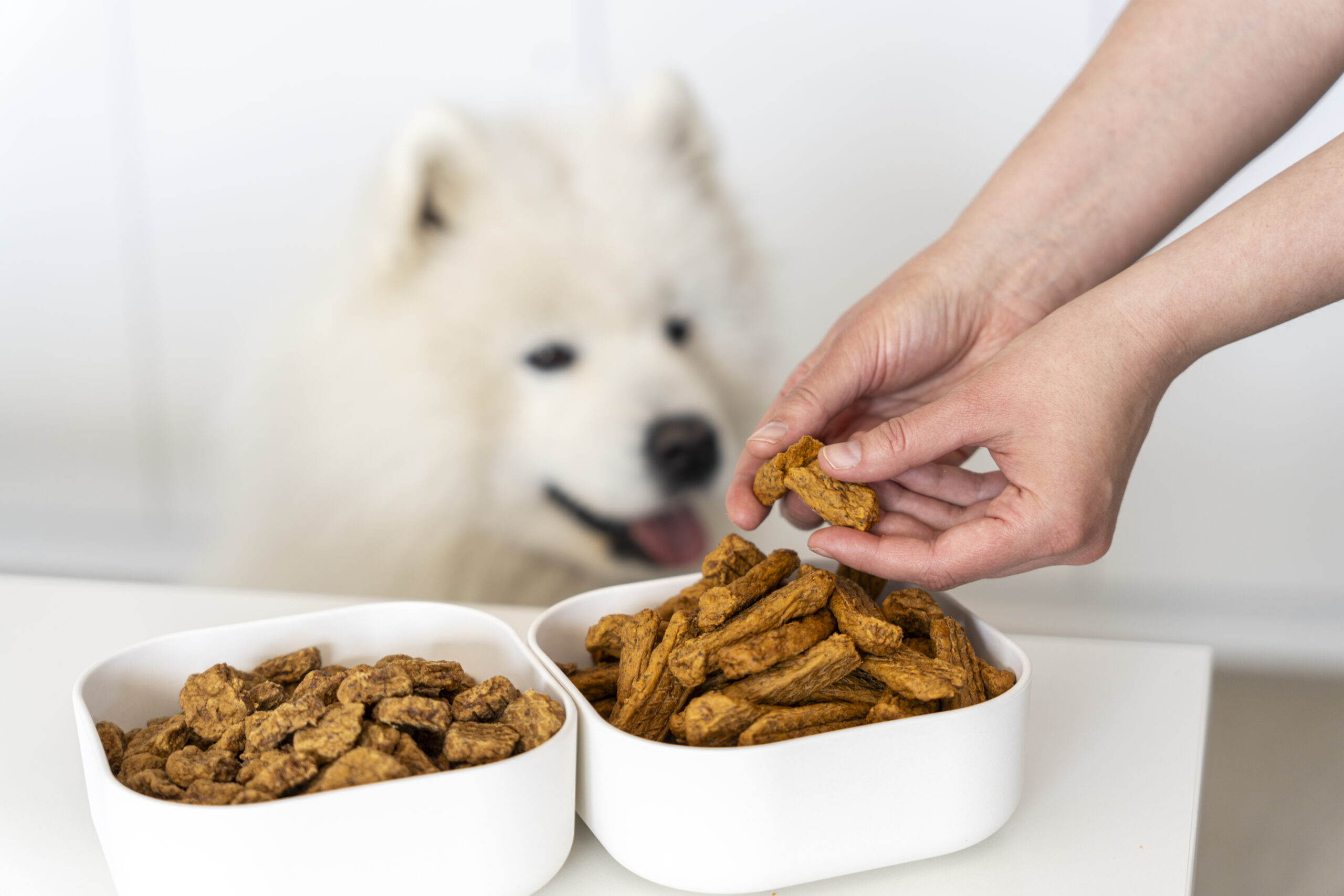
A pet’s food bowl tells a story of time, everyday life and values
In the past, dogs ate leftovers and cats caught their prey in the barn. Nowadays, nutrition is chosen with care. Feeding a cat in particular requires an understanding of its biological needs. Like many other things, pet food is no longer just food. It reflects the pet’s role and significance within the family.
Human diets and expectations for restaurant food change from decade to decade. At the same time, expectations around feeding pets in pet-owning families are also evolving.
Reija Hoffrén, Chief Innovation Officer at Prima Pet, observes that trends tend to follow the eating habits of human family members.
“Pet parenthood is a trend that has led to pets being treated as family members in the Nordic countries. This is reflected in the appreciation for nutritious and responsibly produced food”, Hoffrén summarizes.
These words capture the changing relationship with pets. In the past, dogs and cats had owners – today, more and more people refer to themselves as their pet’s parents.
This shift is also evident in pet nutrition. People now want to provide food for cats and dogs that is tailored to their individual needs. That hasn’t always been the case, notes Kaisa Gold, Head of the Organizational Department at the Finnish Kennel Club and a dog breeder.
“I remember when my grandparents had a dog in the 1970s. It ate only leftovers. It got a good amount of pork bones as food, but grandma’s dog did just fine”, Gold laughs.
From supermarket to pet store and back
Finnish eating habits began to change gradually in the 1970s and 80s. The transition from an agrarian society to an increasingly urban Finland was nearing completion, and more and more pet owners were getting used to eating products of the food industry. Finnish food culture gradually moved from self-grown produce to industrially prepared convenience foods.
“Food trends tend to trickle down to pet food with a slight delay”, says Hoffrén.
Pet feeding habits started to change significantly in the late 1980s and early 90s. That’s when dry food for dogs began appearing on store shelves. Kaisa Gold recalls Finnish brands like Serti and Pluto, and among the international newcomers, Royal Canin stood out.
“At first, all pet foods were available in regular grocery stores, but over time, the slightly higher-quality products moved to specialty pet stores. Even dog owners became somewhat divided based on where they bought their pet’s food”, says Gold.
In recent years, there has been a strong trend toward domestic production in pet food. More and more pet owners prefer healthy and responsibly produced food, and this is reflected in how pets are fed.
Since the early 2000s, the amount of Finnish recipes and locally produced pet food has multiplied. At the same time, the variety of pet food in stores has expanded, and pet food is now sold almost everywhere from supermarkets to hardware stores. Even premium pet foods have made their way back into mainstream retail.
“A pet owner needs to be able to buy food for their pet during a regular grocery trip. Wellness-promoting, high-quality, and responsibly produced pet food will be purchased when it’s easily accessible”, Reija Hoffrén points out.
A breeder’s guidance lays the foundation for a dog’s health
As food culture has evolved, so too has the way people acquire pets. In past decades, dogs were sometimes brought home on a whim from a friend’s litter. Nowadays, more and more prospective pet owners are willing to invest time, effort and money in getting a purebred dog or cat. However, many also adopt rescue dogs from abroad or take in abandoned cats.
“Today, pet owners’ attitudes toward food are quite divided. Some feed their dogs carefully planned raw diets, while others strongly advocate for dry food. Veterinarians often recommend a mixed approach combining dry food with meat or leftovers, so moderation and balance are good principles here as well”, says Gold.
Gold herself has bred American Staffordshire Terriers, Löwchens, Jack Russell Terriers and Fox Terriers. When a puppy leaves its mother’s care and goes to a new home, the owner receives detailed feeding instructions prepared with care.
“It makes a big difference what kind of feeding instructions the breeder gives for the puppy. These are often followed quite strictly, especially in the beginning. That’s a good thing, as it helps ensure the puppy gets a varied and balanced diet during this important stage”, Gold says.
The cat has gone from hunter to wet food critic
Cat nutrition has also changed significantly over the past few decades. Gold herself has two cats at home.
“The relationship with cats and their feeding has remained a bit simpler compared to dogs, but even in feline nutrition we can see the same shift toward diets that emphasize well-being and responsibility”, Gold says.
In the past, house cats were often semi-wild barn cats that sourced part of their nutrition outdoors.
“No one really asked grandma’s cats what they preferred. They got fish and milk, but otherwise they were barn cats that ate whatever they could catch”, Gold recalls.
Today, the cat has mostly become an indoor companion animal. Its natural hunting instincts haven’t disappeared, but unlike in the wild, a lounging house cat doesn’t get to choose its next snack. That’s why feeding a cat requires love and patience from its owner.
“Cats are unique when it comes to eating. They’re not as indiscriminate as dogs and won’t automatically eat what’s offered. In the worst case, a cat may even starve itself if the food isn’t to its liking”, Gold notes.
She emphasizes the importance of wet food, since cats are known to be lazy drinkers and get much of their hydration from their meals.
In recent decades, vegetarianism has become increasingly common. For many, it’s an ethical choice, often tied to animal rights. Gold herself hasn’t eaten red meat in decades and understands the balancing act.
An animal’s rights include the right to be an animal.
“A cat is a predator and cannot survive without meat and nutrients like taurine that come from animal sources. Both cats and dogs are carnivores, and their diets cannot be replaced with plant-based proteins without health risks”, Gold reminds.